
Allergy-Friendly Cooking Solutions
Discover how Superfood Nourish School empowers you to create delicious, safe meals that respect your body's needs. Learn about our comprehensive approach to allergen-aware cooking and wholesome nutrition.
The information on this site is for educational purposes only and does not constitute medical advice. Always consult a qualified healthcare professional before making health decisions.
Key Features of Our Approach
A complete framework for understanding and managing common food sensitivities through education and practical cooking skills.
Plant-Based Ingredient Knowledge
Deep understanding of whole foods and natural ingredients that work well for different sensitivities. We teach you how to identify safe, nutrient-dense options and build meals around what your body welcomes.
Safe Cooking Techniques
Master methods to prepare food safely without cross-contact issues. Learn kitchen organisation, cleaning practices, and food preparation strategies that prevent unwanted exposures during cooking.
Practical Recipe Library
Access a curated collection of recipes specifically developed for common food sensitivities. Each recipe includes ingredient breakdowns and easy substitutions so you can adapt meals to your household's needs.
Meal Planning Framework
Structured guidance on creating balanced, varied meals that exclude common triggers while ensuring complete nutrition. Learn how to plan weekly menus with confidence and reduce decision fatigue around food.
Community Learning Hub
Join a supportive community of people learning to navigate food sensitivities together. Share experiences, discover new recipes, and find encouragement from others on similar journeys.
Educational Content
Comprehensive articles and guides explaining how different foods interact with common sensitivities. Build your knowledge to make informed choices about what you eat and why certain ingredients matter for your wellbeing.
Understanding Common Food Sensitivities
Many people find certain foods difficult to digest or cause uncomfortable reactions. Rather than viewing this as a limitation, we help you see it as valuable information about what nourishes your unique body best.
Common sensitivities to various ingredients are more widespread than ever. The good news? With proper knowledge and practical cooking skills, you can easily prepare delicious meals that feel good to eat and digest.
Gluten Sensitivity
Learn whole grains and flour alternatives that deliver satisfaction and nutrition without wheat.
Dairy-Free Cooking
Master plant-based alternatives that create creamy, satisfying dishes without conventional dairy products.
Nut and Seed Awareness
Navigate safely around tree nuts and seeds while accessing protein-rich foods that work for you.
Shellfish and Fish Alternatives
Discover omega-3 rich foods and protein sources that provide complete nutrition without seafood.
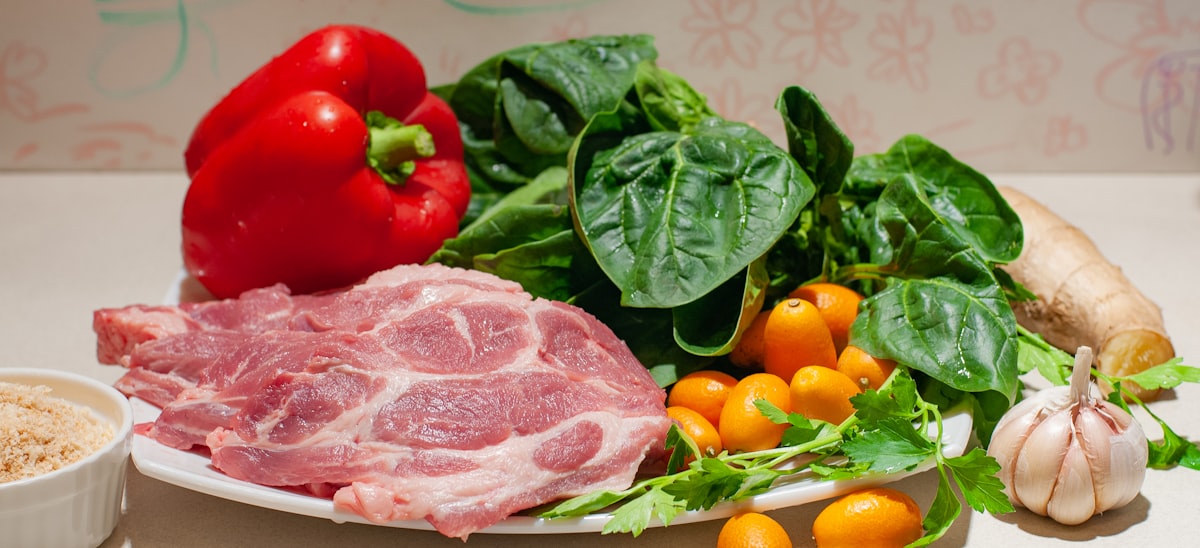
Our 5-Step Approach to Safe, Healthy Cooking
A structured framework to transition confidently towards meals that nourish rather than trigger concerns.
Identify
Understand which foods create reactions in your body. Use our guides to track common triggers and notice patterns in how different ingredients affect you.
Learn
Explore our educational content about how ingredients interact with digestion and overall wellness. Build knowledge to make informed choices confidently.
Replace
Discover suitable alternatives for ingredients you need to avoid. Our recipe library shows exactly how to swap items while keeping meals delicious and balanced.
Practice
Develop safe cooking techniques and meal prep routines. With practice, preparing allergen-aware meals becomes second nature and stress-free.
Thrive
Enjoy a sustainable, healthy relationship with food. Share your journey with our community and discover new recipes as you grow in confidence.
Why Choose Informed, Practical Cooking?
Moving beyond avoidance to actual enjoyment of food that serves your body well.
Traditional Approach
Strict avoidance without understanding why
Limited meal variety and repetitive eating patterns
Feeling isolated or different from family meals
Anxiety about eating out or unfamiliar foods
Inadequate nutritional planning leading to deficiencies
Superfood Nourish School Approach
Understanding the "why" behind ingredient choices
Exciting recipes and creative meal planning options
Belonging to a supportive community with shared experiences
Confidence to navigate restaurants and social situations
Balanced, complete nutrition supporting overall wellbeing
Essential Allergen-Free Ingredients
Nutritious, accessible ingredients that form the foundation of healthy, worry-free cooking.
Ancient Grains
Quinoa, amaranth, millet, and buckwheat provide complete protein and fibre. These grains are naturally gluten-free and nutrient-dense, making them excellent staples for varied, satisfying meals.
Leafy Greens
Spinach, kale, chard, and rocket are mineral-rich powerhouses. Easy to incorporate into meals, they provide iron, calcium, and vitamins without any common triggers.
Legumes and Pulses
Lentils, chickpeas, and beans deliver plant-based protein and fibre. Cook from dried or use quality tinned options for convenient, budget-friendly meals.
Colourful Vegetables
Sweet potatoes, beetroots, carrots, peppers, and courgettes add visual interest, flavour, and phytonutrients. Their natural sweetness and versatility make them kitchen essentials.
Fresh Fruits
Apples, berries, bananas, and citrus fruits provide natural sweetness, fibre, and antioxidants. Easy to prepare and enjoyed at any time of day.
Plant-Based Oils
Extra-virgin olive oil, coconut oil, and seed oils provide healthy fats for cooking and dressing. Choose cold-pressed options for maximum nutritional benefit.
Common Questions About Allergen-Free Cooking
Practical answers to help you navigate your journey towards confident, healthy cooking.
How do I avoid cross-contact in my kitchen?
Keep separate cutting boards and utensils for preparing foods you need to avoid. Clean surfaces thoroughly with hot water and soap before preparing alternative meals. Use dedicated storage containers to prevent accidental mixing, and establish clear kitchen routines everyone in your household understands.
Can allergen-free meals taste as good as regular cooking?
Absolutely. Allergen-free cooking celebrates whole foods, natural flavours, and creative techniques. Many people discover they actually enjoy more varied, interesting meals when they focus on ingredients rather than restrictions. Herbs, spices, and proper seasoning make all the difference.
How can I ensure I get complete nutrition while avoiding certain foods?
Focus on eating a wide variety of whole foods within the ingredients you can safely have. Our articles explain which foods provide key nutrients like protein, iron, calcium, and omega-3s. A diverse diet of safe ingredients naturally delivers balanced nutrition without gaps.
How do I handle eating out or social situations?
Research restaurant menus beforehand and call ahead to ask about preparation methods. Most chefs are happy to accommodate special requests. At social events, offer to bring a dish you know is safe, communicate your needs clearly, and focus on enjoying the experience rather than the food anxiety.
What's the difference between simple avoidance and informed eating?
Simple avoidance means eliminating foods without understanding why or what to eat instead. Informed eating means understanding your body's needs, knowing which alternative ingredients work for you, and building sustainable, enjoyable meals. This approach reduces stress and improves quality of life significantly.
How long does it take to feel confident with allergen-free cooking?
Most people feel more confident within 2-3 weeks of regularly cooking with new ingredients. With our structured guides and recipe library, you'll quickly develop routines and discover your favourite meals. The key is practising regularly and learning from the community's shared experiences.
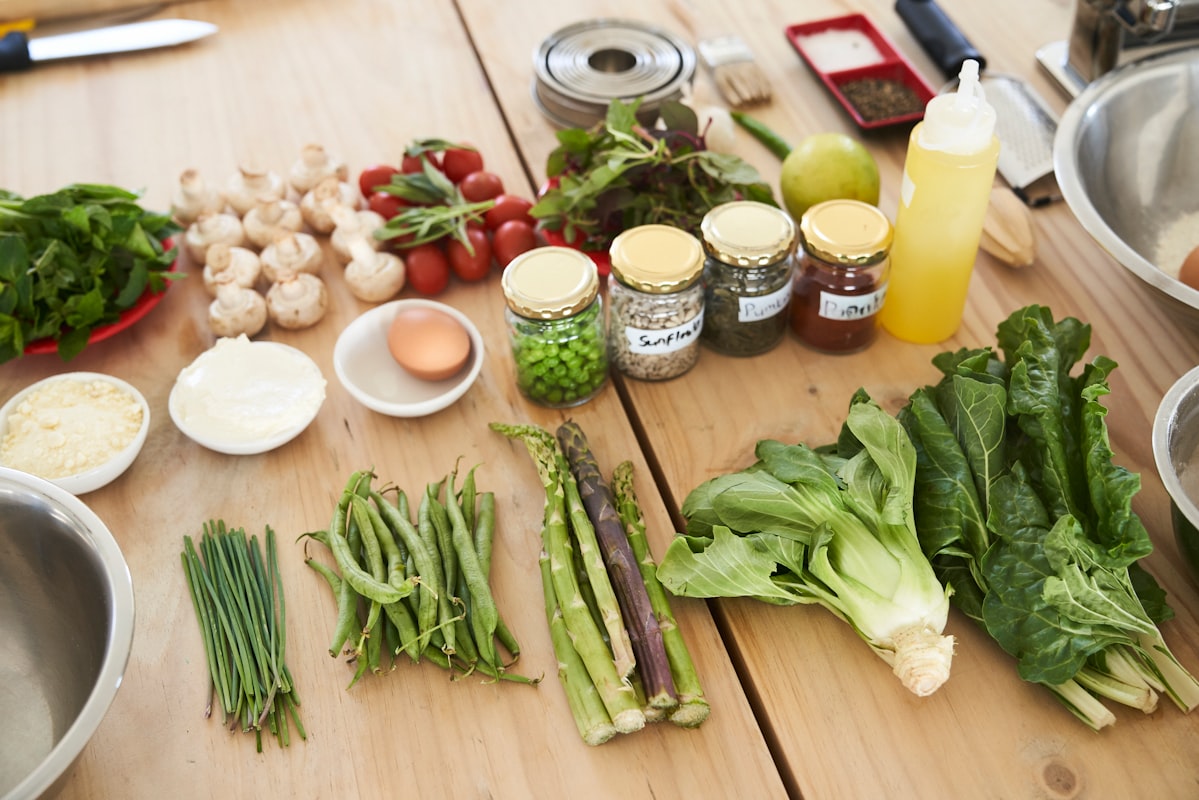
Setting Up Your Safe Kitchen
Creating an allergen-free kitchen requires thoughtful organisation and the right tools. Having dedicated spaces and equipment prevents cross-contamination and ensures safe meal preparation for everyone in your family.
- Colour-coded utensils: Use different colours for allergen-free and regular cooking tools
- Separate cutting boards: Dedicate one board exclusively for allergen-free food preparation
- Labelled storage: Clearly mark containers and shelves to prevent accidental mixing
- Separate toaster: Essential for nut-free or gluten-free requirements
- Hand hygiene station: Keep allergen-free hand soap and paper towels readily accessible
Pro Tip: Invest in clear, airtight containers for your allergen-free pantry items. Label them with the allergen information and expiry dates for quick reference.
What Families Are Saying
Real stories from parents and caregivers who've transformed their approach to allergen-free cooking
"The comprehensive guides at Superfoodnourish School have been game-changing for our family. My son's nut allergy no longer feels limiting—we've discovered incredible recipes and safe practices."
Sarah Mitchell
Parent, London
"As a teacher, I appreciate how Superfoodnourish School makes it easy to create inclusive menus. The resources have helped me support children with multiple allergies confidently."
James Chen
Primary School Teacher, Manchester
"I manage allergies for both my children and a catering business. The training resources have elevated my professional credibility and helped me serve more families safely."
Emma Rodriguez
Catering Professional, Bristol
Frequently Asked Questions
Find answers to common questions about allergen-free cooking and kitchen safety
Ready to Master Allergen-Free Cooking?
Join thousands of families and professionals who've transformed their approach to food safety and inclusive cooking. Start your Superfoodnourish School journey today.
Industry-Recognised Certification
Supportive Community
Lifetime Resources Access